By Qiu Wenhan, Xia Qi
Translated by Lin Liuhan
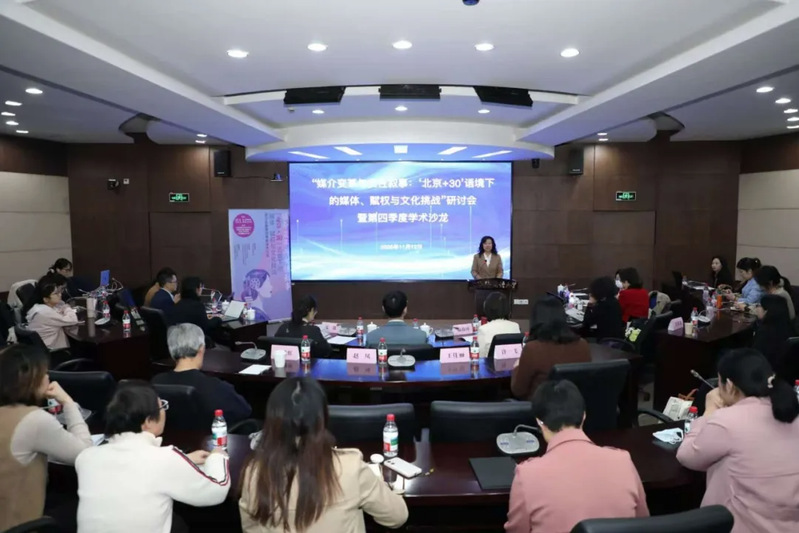
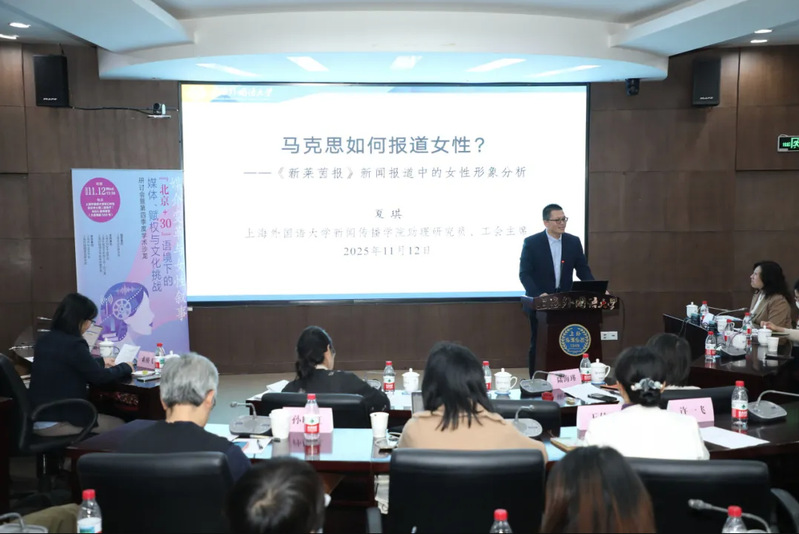
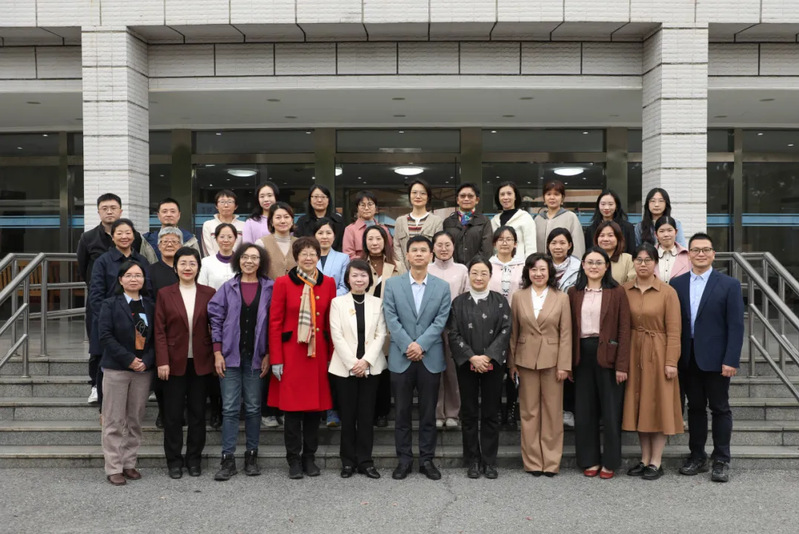
Shanghai International Studies University (SISU) hosted a seminar on media change and women’s storytelling on Nov. 12. Guided by the Shanghai Women’s Federation, the event gathered scholars and media representatives from Beijing and Shanghai to discuss media, women’s empowerment and cultural challenges in the digital age.
The meeting was held to mark “Beijing+30,” the 30th anniversary of the 1995 Beijing World Conference on Women, which produced a landmark global framework for gender equality.
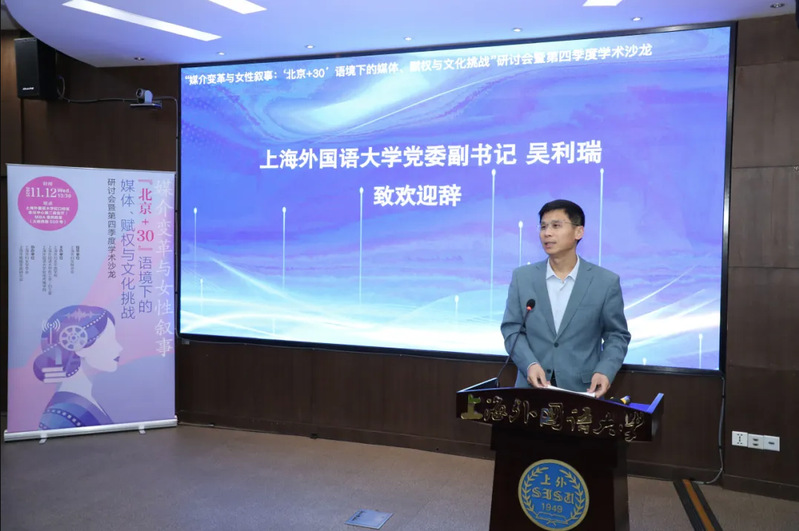
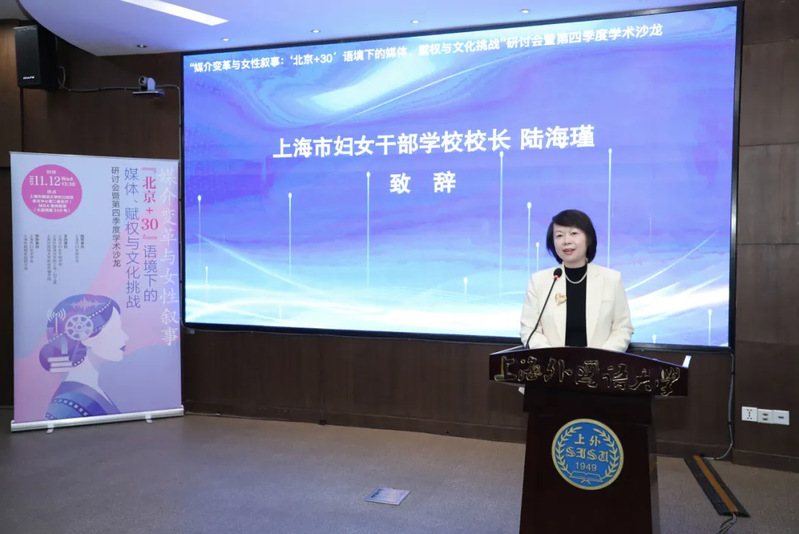
At the opening, Wu Lirui, Deputy Secretary of the CPC SISU Committee, said rapid media transformation is reshaping public discourse and making it increasingly important for women to strengthen their narrative voice. Lu Haijin, President of the Shanghai Women Cadres School, called on women to improve media literacy and contribute diverse perspectives to gender-equality efforts.
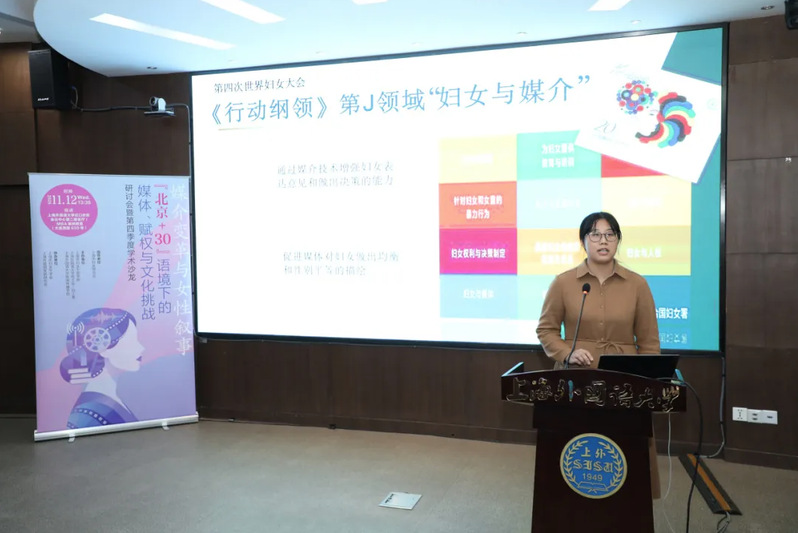
Six speakers then delivered presentations on topics including women’s empowerment, equality in dual-income families, International Women’s Day coverage, participatory culture among women, and evolving portrayals of women.
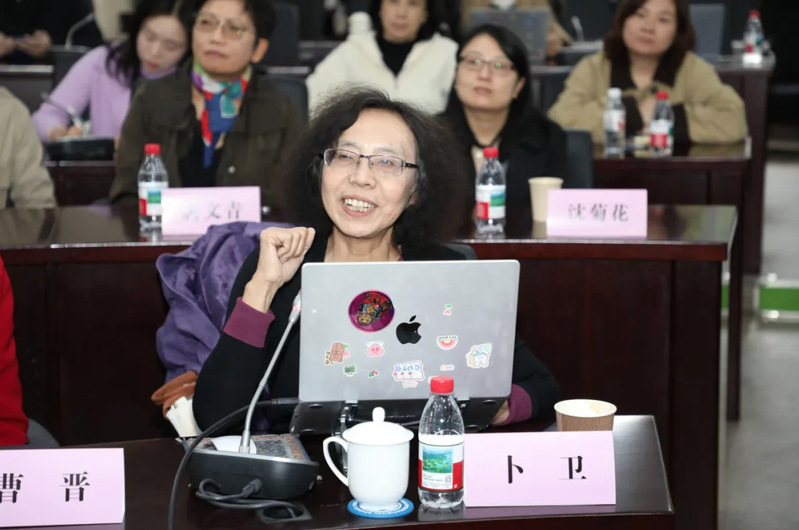
Bu Wei, a professor at the Chinese Academy of Social Sciences, drew on the “Digital Mulan” project, a program that documents and supports the digital skills and experiences of women in rural and low-income communities, to call for gender-sensitive education and a more intersectional approach to women’s empowerment.
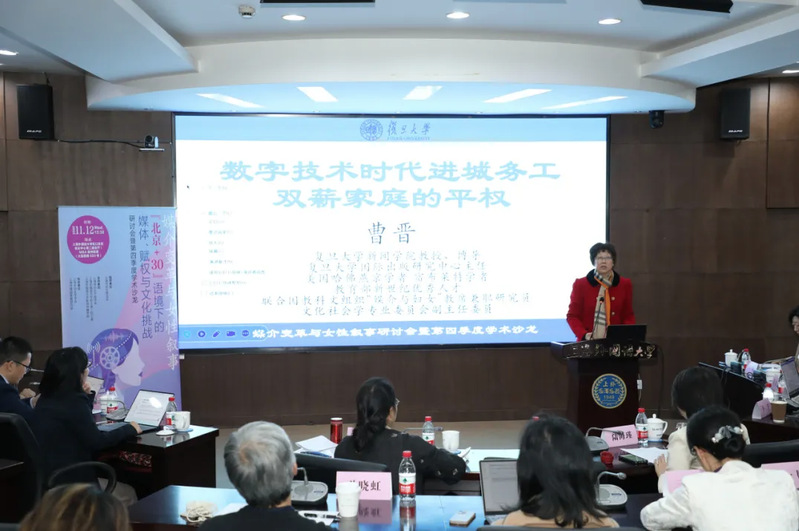
Cao Jin, a professor from Fudan University, shared findings from a ten-week study of “dual-income caregiver” families in urban hospitals. She said digital tools have not overcome traditional patriarchal constraints. While some women gain household status through paid work and WeChat, these gains are often temporary, leaving their narratives caught between family tradition and shifting power dynamics.
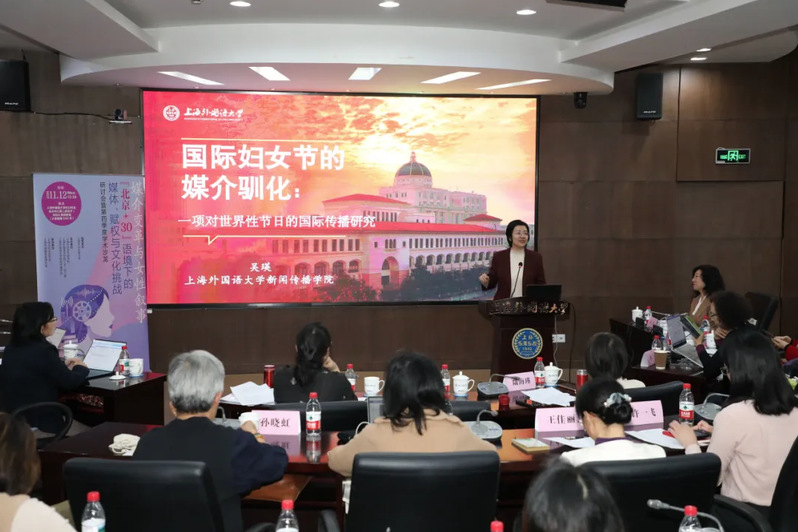
Wu Ying, dean of the School of Journalism and Communication (SJC) at SISU, compared 1,000 International Women’s Day news reports from the U.S., Japan, Russia, India, and Brazil, noting that international media framing is shaped by ideology, national interests, economic trends, cultural values, and technological systems. She emphasized that global festivals can serve as bridges for cross-cultural exchange, advocating strategic media localization to balance global and local narratives.
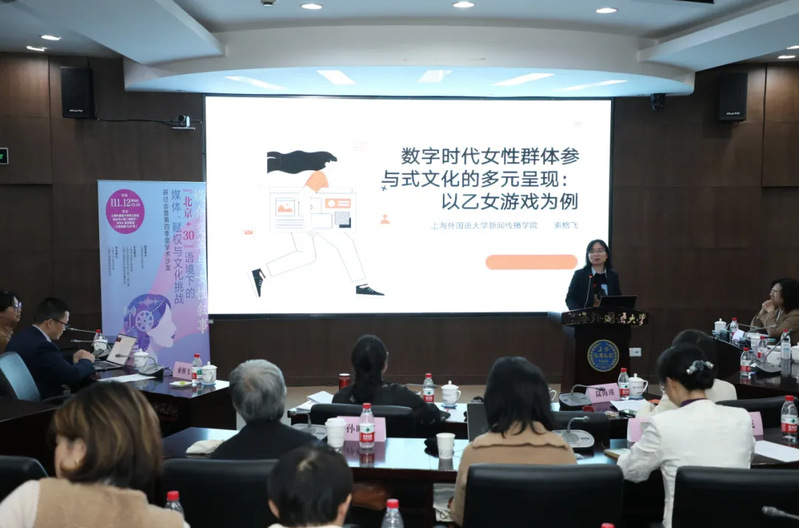
Suo Gefei, an associate professor at SJC, discussed otome games in China and Japan, noting they allow women to co-create culture but also carry risks of over-consumption and escapism. SJC researcher Xia Qi, revisited Neue Rheinische Zeitung to examine how portrayals of women have changed across media transitions. Zhu Yiming of the Shanghai Women Cadres School suggested a four-step framework of creation, communication, regulation, and guidance to guide gender communication efforts after Beijing+30.
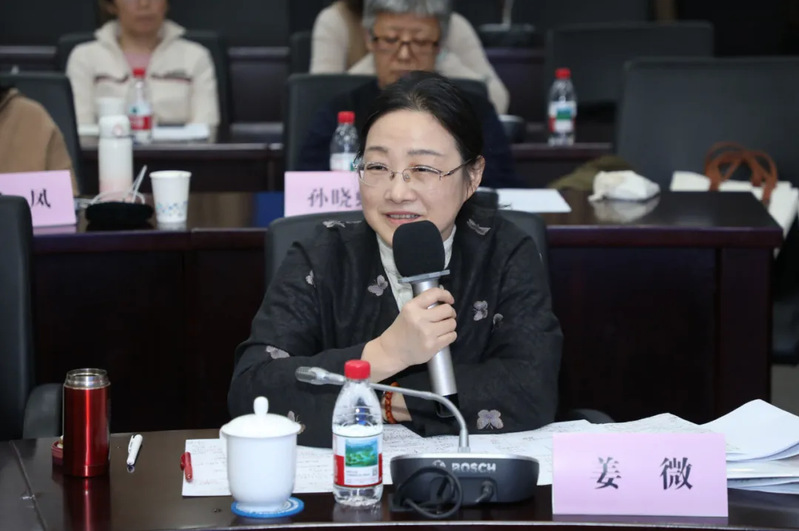
Finally, Jiang Wei, Party Secretary of the Xinhua News Agency Shanghai Bureau, expressed future work should reduce gender labeling, strengthen local communication strategies, and better address cultural and psychological concerns so that women can participate in society on an equal footing.
 |Hongkou Campus|550 Dalian Road (W), Shanghai 200083, China |Songjiang Campus|1550 Wenxiang Road, Shanghai 201620, China