By Ren Hanhan
Translated by Guo Yishun
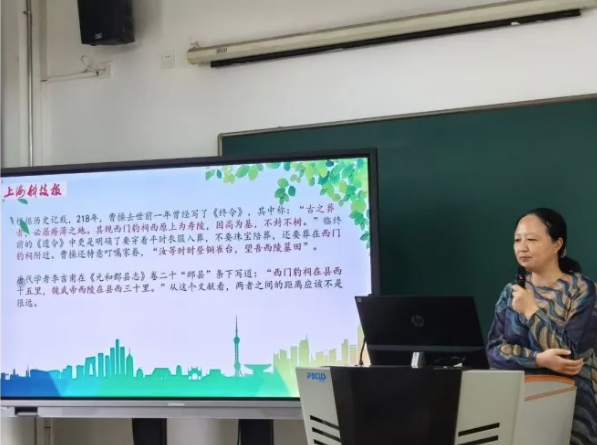
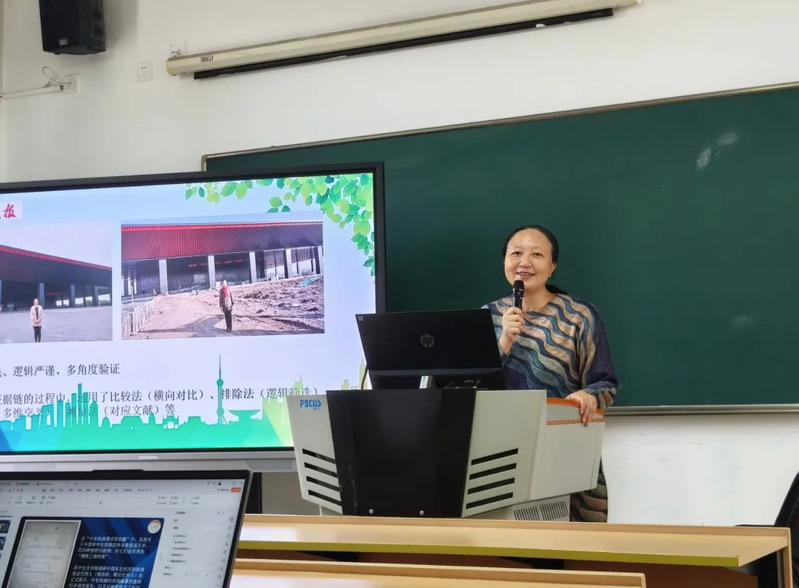
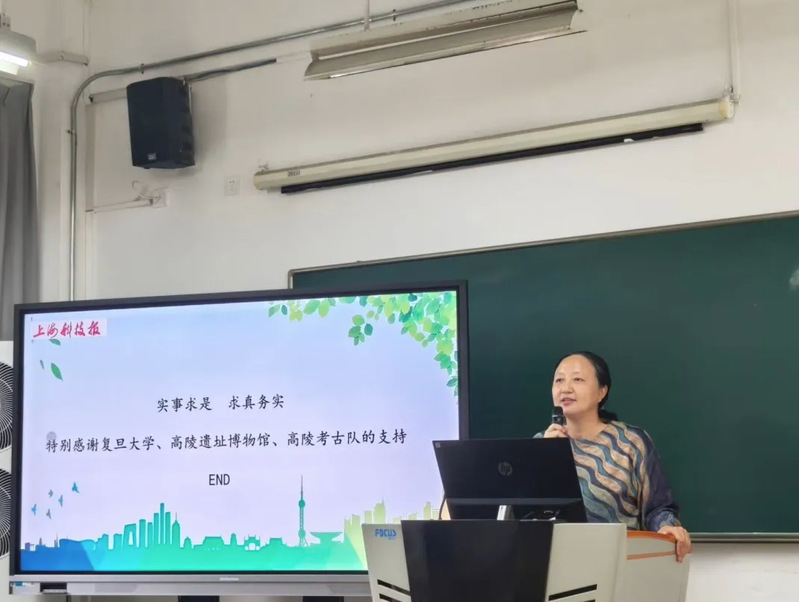
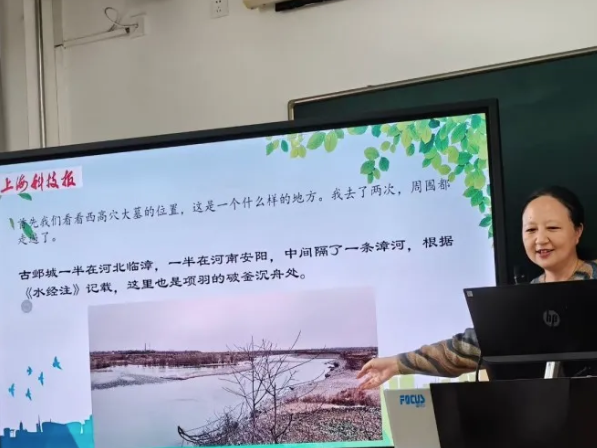
On November 7, Wu Yiting, senior reporter at Shanghai Science and Technology Daily and supervisor for master program in Journalism and Communication at the University of Shanghai for Science and Technology, delivered a lecture at SISU titled “Uncovering the Truth Behind the Search for Cao Cao’s Tomb: Methods in Science Communication.” The event attracted students from history, journalism, and other fields interested in interdisciplinary learning.
Cao Cao (155–220 AD), a pivotal figure of the Three Kingdoms period, is shrouded in burial contradictions. Though known for tomb-raiding during his life, he requested a “simple burial,” fueling the later myth of the 72 decoy tombs and obscuring his true resting place.
Drawing on her science communication background, Wu analyzed the heated public debate around the tomb's discovery. She shared insights from her eight-year investigation—including winter visits to the Xigaoxue tomb site, interviews with archaeologists and geneticists, and reviews of historical and genealogical records—and tracked the progress of the Fudan University team, which used Y-chromosome analysis to identify Cao family genetic markers.
Wu outlined the Cao Cao's Tomb Authenticity Debate from the 2009 discovery and the 72 decoy tombs legend, through key evidence such as the Lu Qian epitaph, Ximenbao Temple site, and Western Zhucun tomb, to conclusive findings from artifacts and DNA.
Wu also explored science communication's role in the controversy. She pointed out that early media coverage was sometimes skewed by institutional bias, spreading confusion. In response, she advocated combining investigative journalism with clear scientific explanation—stressing that good communication presents complex evidence logically, without compromising accuracy or responsibility.
Attending students said the lecture resolved long-standing questions about the tomb controversy. Many appreciated how Wu’s investigation demonstrated the power of combining interdisciplinary research with science communication to improve public understanding of history.
Though the lecture has ended, the dialogue it inspired—on science, history, and truth—continues to resonate.
 |Hongkou Campus|550 Dalian Road (W), Shanghai 200083, China |Songjiang Campus|1550 Wenxiang Road, Shanghai 201620, China